Living in Denver and near the Rocky Mountains brings incredible outdoor adventures, but our unique environment - marked by low humidity, intense elevation, and high UV exposure - presents distinct challenges for our skin.
If you’ve ever wondered why your skin feels dry yet breaks out in deep, stubborn bumps on your chin at the exact same time, you are not alone. Understanding how your environment, your hormones, and your unique skin type interact is the secret to getting a clear, healthy complexion.
Here is a comprehensive breakdown of the science behind acne, why high-altitude living changes the game, and how to nurture your skin from the inside out.
Types of Acne
Acne isn't one-size-fits-all. To treat it effectively, it helps to understand the specific type of breakout you are experiencing.
Non-Inflammatory vs. Inflammatory Acne
Non-Inflammatory Acne (Comedonal)
Blackheads (Open Comedones): Clogged pores where sebum (oil) and dead skin cells oxidize upon exposure to air, turning dark brown or black.
Whiteheads (Closed Comedones): Pores clogged under a thin layer of skin, creating small flesh-colored or white bumps.
Inflammatory Acne
Papules: Small, red, tender bumps caused by localized inflammation in the pore wall.
Pustules: Red bumps topped with white or yellow pus containing dead immune cells and bacteria.
Nodules & Cysts: Deep, painful, large lesions below the surface. Cysts carry a high risk of scarring and typically require professional aesthetic treatment.
According to the Cleveland Clinic, there are several types of acne including:
Cystic Acne: Causes deep, pus-filled pimples and nodules that can lead to permanent scars.
Fungal Acne (Pityrosporum Folliculitis): Occurs when yeast builds up in your hair follicles, leading to itchy and inflamed bumps.
Hormonal Acne: Affects adults experiencing an overproduction of sebum that clogs pores.
Nodular Acne: A severe form of acne that causes pimples on the surface of your skin alongside tender, nodular lumps underneath.
***A Note on Scarring & Self-Esteem: All forms of acne can impact your self-esteem, and both cystic and nodular acne can lead to permanent skin damage in the form of scarring. It is best to seek help from a healthcare provider early so they can determine the best treatment options for you.
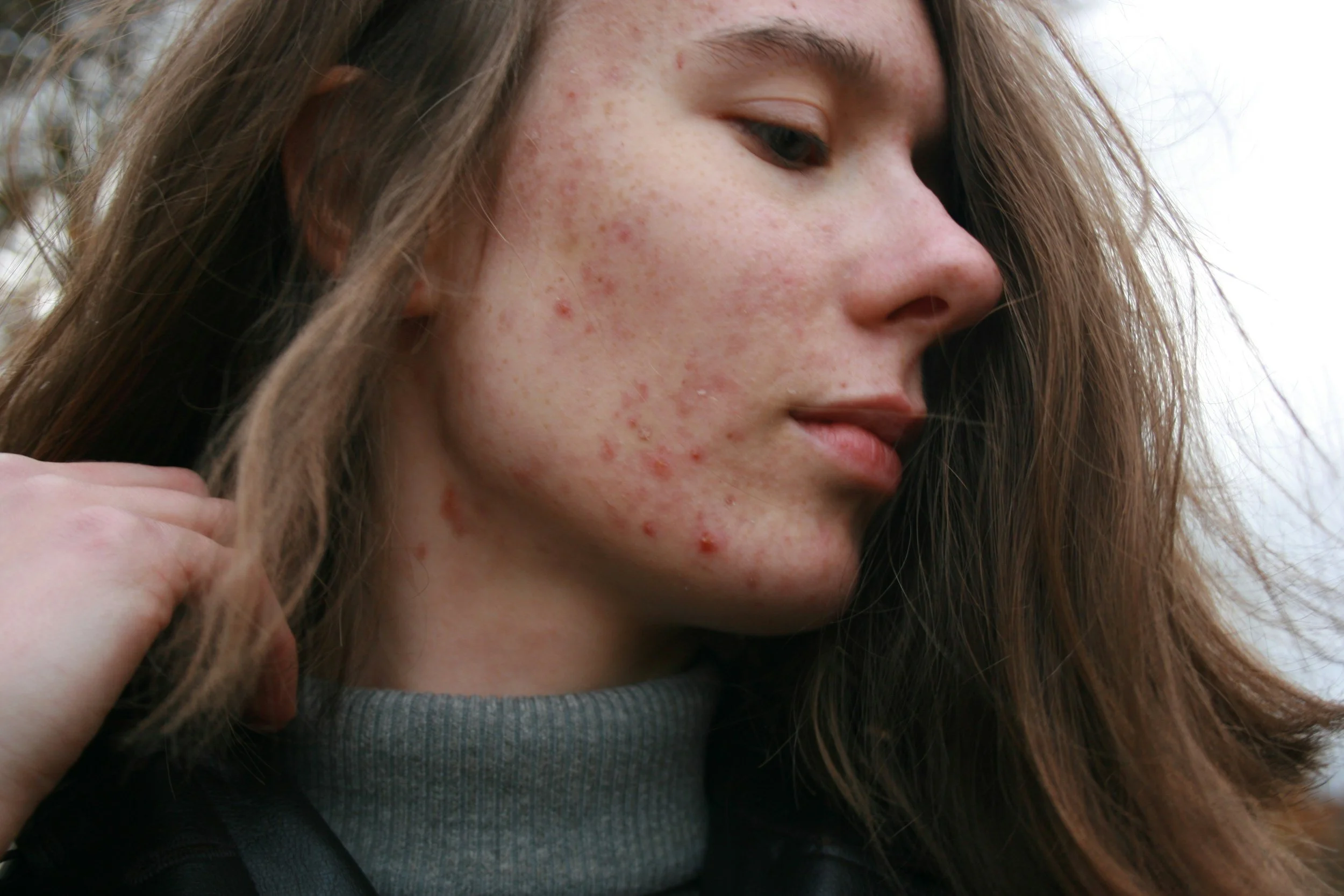
Hormonal acne typically appears along the jawline, chin, upper neck and lower cheeks.
2. Hormonal Acne - Specifically Perimenopause & Menopause
Hormonal breakouts differ significantly from teenage acne. Rather than occurring in the T-zone, hormonal acne typically presents along the lower third of the face (jawline, chin, lower cheeks, and upper neck) and often manifests as deep, tender papules or cysts rather than superficial pustules.
A. What Triggers Hormonal Acne in Perimenopause?
During perimenopause (typically occurring between ages 40 and 50+), hormonal fluctuations create a mismatch between estrogen and androgen levels:
Estrogen Decline & Relative Androgen Excess: Estrogen is a naturally protective, anti-inflammatory hormone that keeps skin hydrated and suppresses oil production. As estrogen levels drop during perimenopause, relative levels of androgens (like testosterone) remain higher. Androgens stimulate the sebaceous glands to produce thicker, stickier sebum.
Loss of Collagen & Skin Thinning: Decreasing estrogen levels lead to a loss of skin elasticity and slower cell turnover. Pores become more easily blocked by accumulated dead skin cells.
Increased Cortisol (Stress Response): Perimenopausal sleep disruptions, hot flashes, and lifestyle stress spike cortisol. Cortisol activates adrenal androgen production, directly triggering inflammatory chin and jawline breakouts.
B. The Double Challenge: Hormonal Acne + Dry High-Altitude Climate
In a high-altitude, low-humidity environment like Denver, perimenopausal hormonal acne presents a unique challenge:
The "Dry Surface, Deep Congestion" Dilemma: Estrogen loss reduces the skin’s natural hyaluronic acid production and weakens lipid barrier retention, leading to severe dryness. Traditional harsh spot treatments (like high-potency benzoyl peroxide or drying alcohol-based toners) tear down the delicate perimenopausal moisture barrier, causing more inflammation without clearing the deep hormonal cysts underneath.
Accelerated Transepidermal Water Loss (TEWL): Thinning perimenopausal skin loses water rapidly in dry mountain air, leading to dehydration-induced micro-cracks that let in acne-causing bacteria.
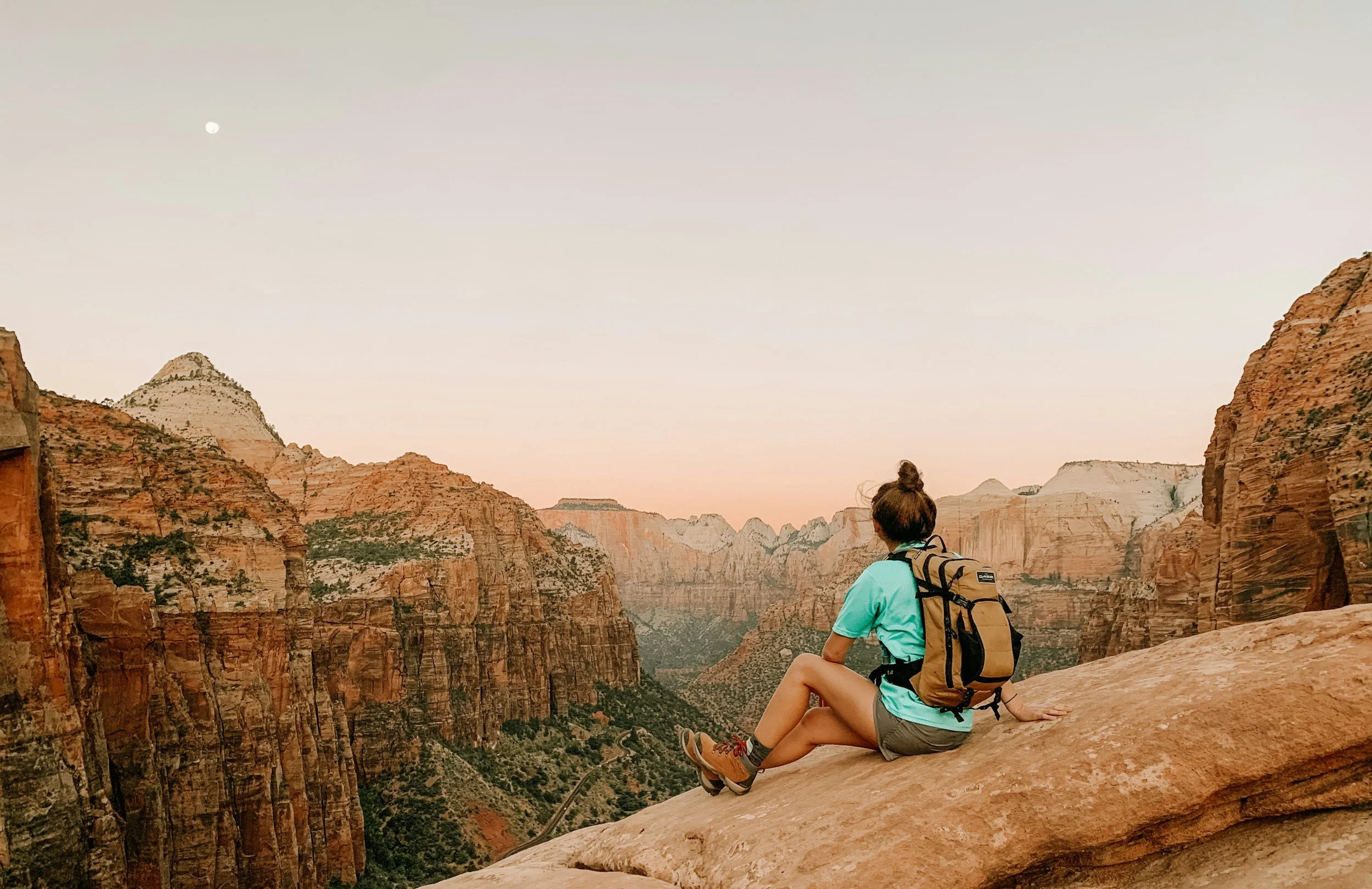
Living and playing at higher altitude increases our risk for breakouts due to dryness and sun damage.
3. The High-Altitude, Dry and Sunny Paradox
In high-altitude environments, two key factors compound breakout risks:
A. Compensatory Sebum Overproduction
Dry air strips moisture, signaling oil glands to secrete extra sebum to compensate.
B. Hyper-Keratinization
Intense UV exposure and dry winds harden surface skin cells, trapping oil beneath a layer of dead skin. Sun exposure oxidizes sebum inside the pore and darkens post-inflammatory hyperpigmentation (PIH) left behind by breakouts.
4. Topical Skincare Strategies for Perimenopausal & High-Altitude Acne
A. Ditch Harsh Foaming Cleansers
Use a nourishing oil or cream-based cleanser that cleanses without stripping essential lipids.
Our favorites are Green Envee’s Soothe Cleansing Cream or Purify Cleansing Oil.
B. Embrace Mandelic Acid
Mandelic acid is ideal for mature, sensitive, or hormonal skin. Its larger molecular structure penetrates slowly, gently exfoliating without causing dryness or irritation while targeting dark spots/PIH.
Our favorite is Green Envee’s Mandelic Resurfacing Serum.
C. Focus on Barrier Repair
Combine hydrating humectants (glycerin, hyaluronic acid) with ceramides and niacinamide (Vitamin B3) to calm systemic redness and rebuild lipid strength.
Our favorite is H.A. Collagen Boosting Serum from Green Envee.
D. Hydrating Mineral SPF
Daily broad-spectrum zinc oxide SPF 30+ shields fragile, thinning skin from UV-induced sebum oxidation and hyperpigmentation.
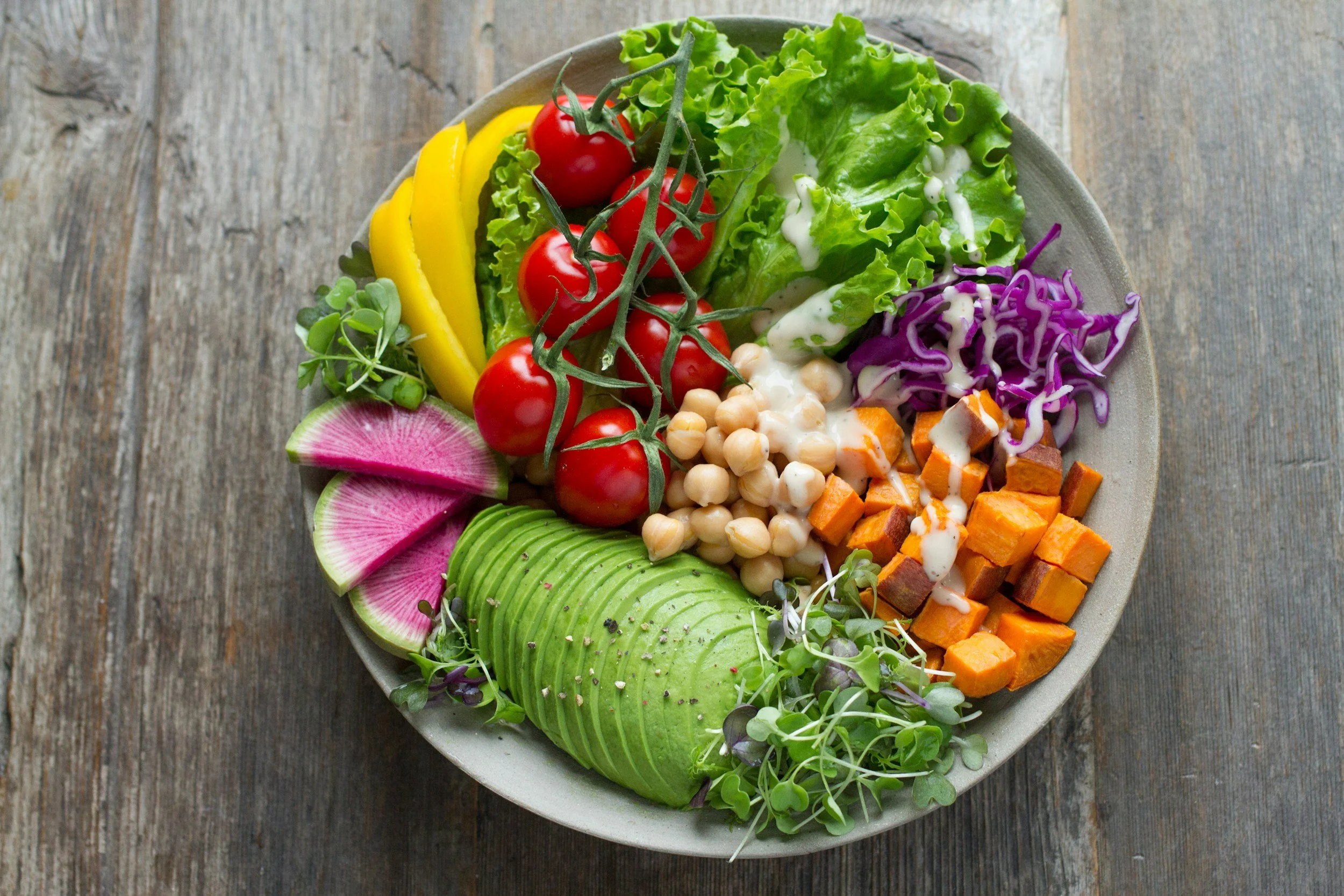
Eating foods rich in antioxidants, protein and healthy fats is essential for helping support our skin’s health.
5. Internal Hydration, Diet & Supplement Guidelines
A. Hydration & Electrolytes
At high elevation, sweat evaporates quickly and moisture is lost through respiration. Adding trace mineral drops or electrolytes (magnesium, potassium) ensures cellular absorption rather than flushing out vital nutrients.
B. Dietary Considerations
Low-Glycemic Index Foods: Insulin spikes drive androgen activity, worsening hormonal acne. Focus on complex carbohydrates, berries, legumes, and lean proteins.
Phytoestrogen-Rich Foods: Incorporate gentle dietary phytoestrogens (flaxseeds, organic soy/edamame, sesame seeds, lentils) to help naturally balance hormone ratios during perimenopause.
Cruciferous Vegetables: Broccoli, brussel sprouts, and cabbage contain Indole-3-Carbinol (I3C), which helps the liver metabolize and clear excess estrogens efficiently.
C. Target Supplements for Hormonal & Climate SupportVitamin D3: Targets the root causes of breakouts including inflammation, bacteria, and poor skin cell turnover.
Omega-3 Fatty Acids (EPA/DHA): Essential for soothing systemic inflammation, keeping sebum liquid rather than thick, and reinforcing the skin’s lipid barrier from within.
Zinc (Picolinate or Glycinate): Acts as a natural 5-alpha reductase inhibitor (reducing androgen activity in the skin) while calming red, painful inflammatory lesions.
Adaptogens (Ashwagandha or Maca Root): Help regulate the HPA axis, managing stress-induced cortisol spikes that trigger jawline breakouts.
Probiotics: Support the gut microbiome and the "estrobolome" (the collection of gut bacteria dedicated to metabolizing estrogens).
***Always consult your healthcare provider before beginning a new supplement regime.
Ready to take the next step in your skin journey? Whether you need help navigating hormonal shifts or rebuilding a dry mountain skin barrier, reach out to us and we will build a custom treatment plan to address your skin’s specific needs.